


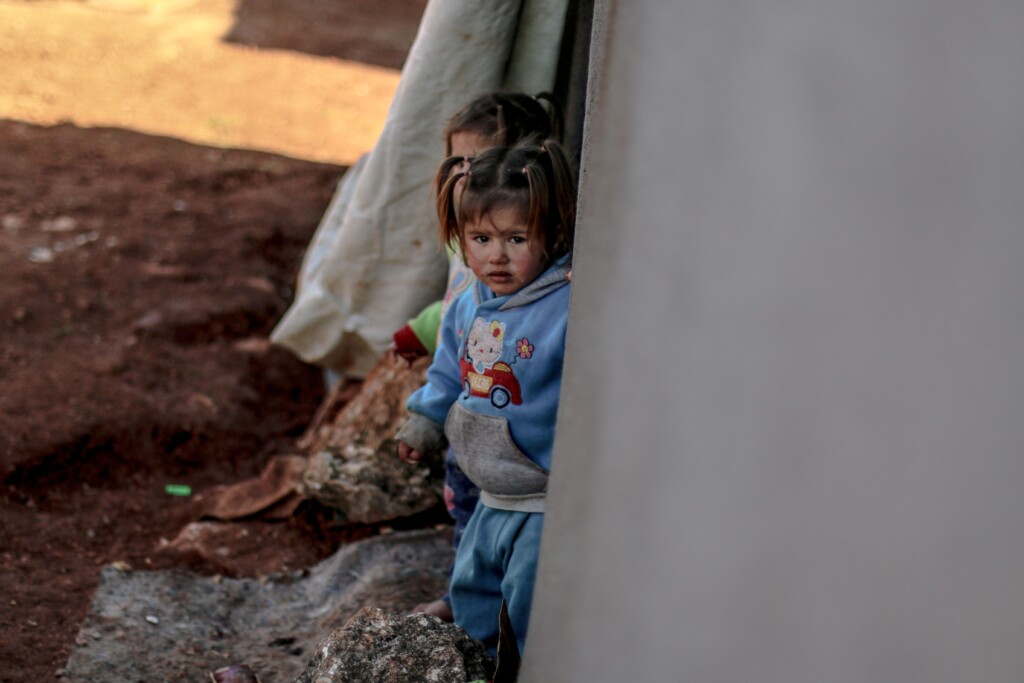
 On 16 September 2026, a meeting of the Permanent Expert Working Group (PEWG) was held to discuss the concept of “extreme child poverty” in Bulgaria. The meeting addressed the proposed indicators for identifying several categories of target groups, as well as the forthcoming development of a project to support families identified and mapped as living in extreme poverty.
Within the deadline for comments and statements following the meeting, Equilibrium Association submitted its position, endorsed by the “Childhood 2025” Coalition. The Know-How Centre for Alternative Care for Children at New Bulgarian University also submitted a position on the proposed approach.
Equilibrium emphasises the need to ensure that identifying a family as living in extreme poverty does not automatically lead to the provision of the same type of support. Families living in similar material conditions may have different needs, parental resources and risks affecting their children. Therefore, financial and material support is important, but it should be combined with individual assessment, differentiated support, cross-sectoral coordination and monitoring of the actual outcomes for the child.
The Know-How Centre raises methodological questions regarding the definition itself, including the replacement of the standard component of severe material and social deprivation (SMSD) with housing deprivation, and the risk of leaving out important dimensions of child poverty – such as nutrition, health, education and social participation.
Both positions highlight the need to move beyond simply identifying poverty and consider what support is actually needed by each individual child and family.
For Equilibrium, this approach can be summarised as:
Identification – Individual assessment – Joint support plan – Coordinated interventions – Monitoring of outcomes.
The forthcoming development of the project represents an important opportunity for the European Child Guarantee to become not merely a mechanism for reaching the poorest families, but a functioning system for providing effective and sustainable support to children and their families.